Skip to content
24/7 Emergency Recovery · Nottingham + 40 miles Call: +44 7429 293122
Emergency recovery

Book Breakdown Recovery in Nottingham

Car stopped, lost drive or unable to continue safely? Request breakdown recovery in Nottingham with the vehicle details, collection position and receiving garage ready.
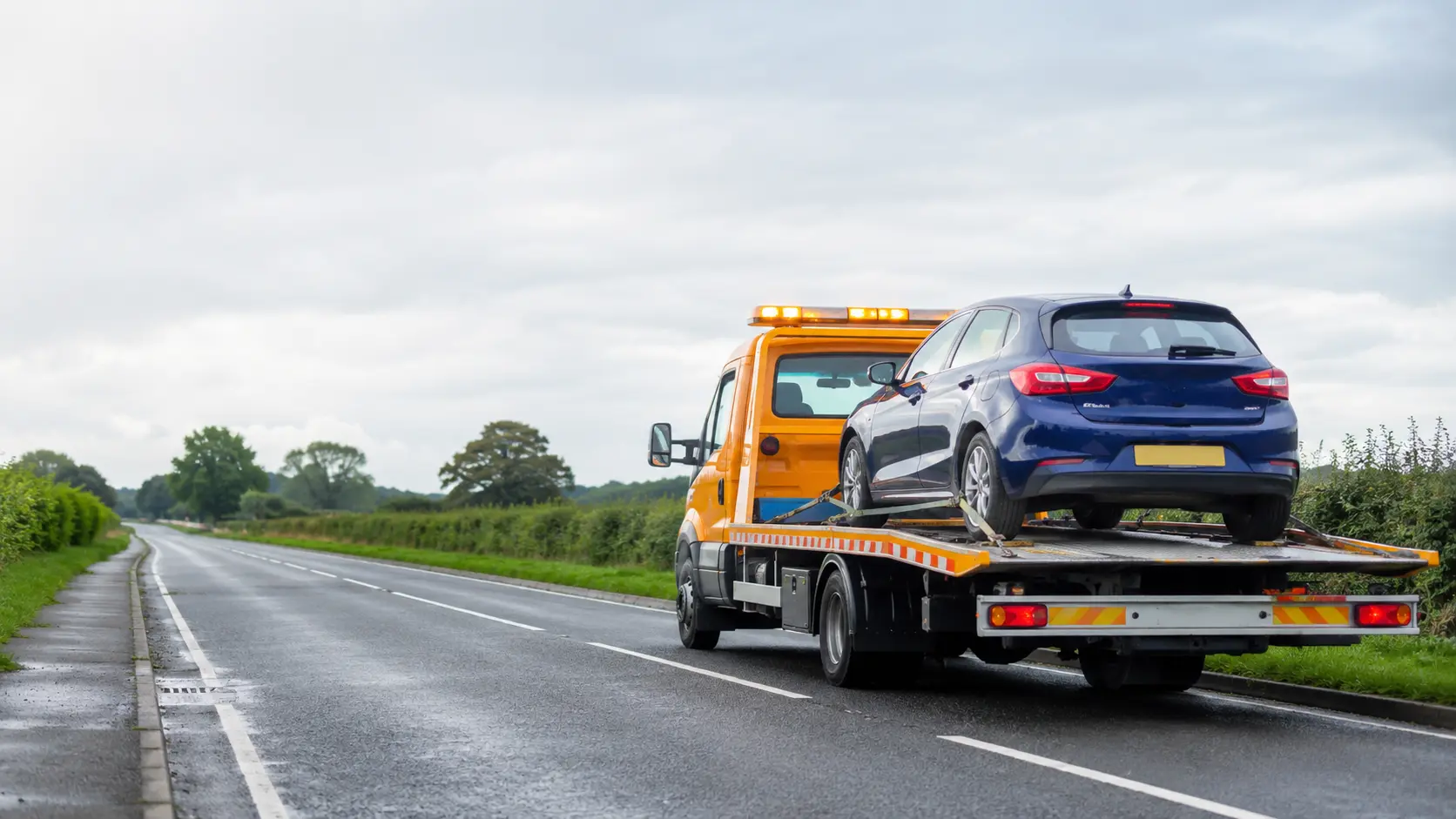
Breakdown Recovery recovery support around Nottingham
Careful loading
Clear handover
DIRECT ANSWER

Request collection for a vehicle that has stopped running, lost drive or become unsuitable to continue its journey. Contact Car Recoverys on +44 7429 293122 with the registration, collection position and proposed destination. Explain what the vehicle can still do: start, select a gear, steer, release its parking brake and roll. These details allow an enquiry to be assessed as a recovery job rather than a guess at the underlying repair. Availability, loading requirements and the quotation must be confirmed before you rely on attendance.

Explore this page

Arrange the movement your breakdown actually needs

Recovery begins with the interrupted journey

A breakdown recovery enquiry is about getting an immobilised vehicle from its current position to an agreed receiving point. The starting point might be a roadside stopping place, a driveway, a workplace or a car park. Each creates a different collection problem even when the dashboard shows the same warning. A car beside an accessible loading area can be approached differently from one pointing downhill between parked vehicles. Explain the position as carefully as the fault. The booking needs to describe the vehicle that must be moved, the space around it and where responsibility for it will transfer.

Decide what outcome you are booking

If your priority is delivery to a workshop, say so immediately. If you are unsure whether a roadside intervention could allow the journey to continue, describe that uncertainty and ask what assistance can be assessed. Recovery, diagnosis and repair are separate outcomes. Agreeing transport does not mean a replacement part, workshop appointment or repair authorisation has been arranged. Keeping these decisions separate helps you compare quotations and prevents a driver arriving with instructions that do not match what you expected to buy. Ask for confirmation of the actual movement before considering the booking settled.

Give a useful account of how the failure developed

Describe observations in their original order

Start with the last normal part of the journey, then explain what changed. Useful observations include an engine stopping while stationary, a vehicle losing drive despite the engine continuing to run, a new noise followed by reduced movement, or a car failing to restart after being parked. Mention any warning that appeared before the stop. A short sequence is more useful than several competing diagnoses. If another person witnessed the failure, obtain their description rather than translating it into a technical conclusion. The receiving repairer can investigate the cause; recovery planning needs an honest description of the present condition.

Separate what is known from what is suspected

A dashboard light, a phone search or an earlier repair can suggest a possibility without proving it. Tell us when a battery, clutch or alternator diagnosis is your suspicion. Include relevant recent work and any instructions already given by the garage, but do not assume that an old diagnosis explains a new symptom. This distinction matters commercially as well as mechanically: a quotation based on a freely rolling non-starter may need reconsideration if the actual vehicle has a locked wheel. Correcting the description before dispatch is simpler than discovering the difference during loading.

Put immediate danger ahead of the recovery enquiry

A motorway emergency needs the right first call

On a motorway or other high-speed road, follow the Highway Code and instructions from emergency services or traffic officers. If you cannot reach a place of relative safety and cannot leave the vehicle safely, keep seatbelts and hazard lights on and call 999 for the police. Where exiting is safe, use the side away from traffic and wait away from the carriageway. Do not attempt repairs or place a warning triangle on a motorway. A commercial recovery booking does not replace emergency protection for an exposed vehicle.

Explain any restriction on approaching the vehicle

Once you can contact us safely, tell dispatch if officers are present, the road is being controlled, or you have been instructed to remain somewhere particular. Do not leave a safe waiting position to obtain a photograph, registration document or measurement for the quotation. Details can be clarified with the attending team when access is safe. A call handler needs to know whether the vehicle is currently accessible; a postcode alone does not reveal whether a recovery truck is permitted to reach it. Emergency instructions take precedence over an ordinary collection arrangement.

Identify the stopped vehicle precisely

Registration is the beginning of identification

Provide the registration together with the make, model and body type. Mention whether it is petrol, diesel, electric or hybrid, and whether it has an automatic or manual transmission. Registration records may not describe modifications, an unusual body conversion or equipment fitted after manufacture. These omissions matter when the recovery vehicle must accommodate the actual height, width, weight and ground clearance. If you are arranging collection for somebody else, use the vehicle's details rather than those of the car you normally drive. A photograph taken previously can help identify the correct vehicle without exposing anyone to traffic.

Disclose anything that changes the handling assumptions

Lowered suspension, a damaged front bumper, a roof box, towing equipment and an unusual wheel arrangement can affect preparation. Tell us about them before accepting a movement plan. A vehicle carrying tools, commercial stock or heavy personal belongings may differ materially from an empty car of the same model. Do not guess a weight or remove loads beside moving traffic. Explain what is aboard and let the operator decide what information is needed. Identifying these differences is part of matching the job to suitable capacity, not a reason to promise that every vehicle can be accepted.

Distinguish a non-starting car from a non-rolling car

Engine condition and wheel movement are separate

A car can refuse to start yet still roll and steer under controlled handling. Another can start normally but remain immobilised by a mechanical fault. These are different recoveries. Tell the team whether the vehicle moved normally immediately before you stopped and whether anyone has already identified a problem with a wheel, steering or parking brake. You do not need to push the car to answer the question. If its movement is unknown, report it as unknown. The attending operator can assess the position rather than relying on an unsafe experiment carried out to complete a telephone checklist.

Explain why the car is being recovered

The useful booking description is the limitation: no drive, no steering movement, a wheel that appears displaced, a brake that will not release, or a vehicle that cannot be restarted. Avoid reducing every failure to “broken down” once you know more. A loading plan depends on the interaction between vehicle condition and available space. For example, a car pointing directly towards an accessible loading position presents different constraints from one that must first turn in a confined bay. Report both issues together so the quoted service reflects the likely work rather than just the distance between postcodes.

Deal with an automatic stuck in Park

Report the selector and power state

Tell dispatch that the transmission remains in Park, whether the dashboard powers on and whether the key is available. An electronic selector, parking brake or low-voltage problem can create a handling requirement that is not apparent from the words “automatic car.” The specific vehicle's recovery instructions matter. Do not assume that a procedure used on a previous car applies to this one. If a workshop or manufacturer has already supplied instructions, explain who supplied them and make them available to the recovery operator. The operator still needs to decide whether those instructions apply to the condition found.

Leave release procedures to the attending professional

Do not dismantle trim, force a selector or improvise a release method to make a collection appear straightforward. Recovery is not dependent on the customer completing a mechanical intervention first. An honest description allows the operator to assess whether suitable handling equipment is available and whether the collection can proceed. Confirm this before arranging an inflexible garage appointment or taking time away from work. A booking should identify the locked condition explicitly; otherwise two people can agree to “vehicle transport” while imagining very different loading requirements and amounts of work at the pickup point.

Book collection after a failed start or unsuccessful roadside attempt

Record what has already been tried

Explain whether another provider attended, whether the car briefly started, and whether a roadside repair was attempted. Give the result rather than assuming the intervention solved the original problem. A vehicle that restarted and then stopped again may need transport instead of another attempt to continue the journey. If a technician left a report, keep it for the receiving garage and tell the recovery team whether it includes any movement restriction. You do not need to obtain a second diagnosis before asking for collection. You do need to describe what changed since the first call for help.

Avoid paying for overlapping instructions

Where an existing breakdown provider remains assigned to the vehicle, clarify that booking before arranging a separate recovery. Ask the first provider whether a truck is already travelling, whether the job can be cancelled and what terms apply. The second operator cannot cancel another company's booking for you. If you decide to use a different provider, make the collection location and vehicle status clear to both. Keeping one active instruction for each movement reduces the chance of duplicate attendance, disputed waiting time or a truck arriving after the car has already left.

Recover a vehicle after overheating or a serious warning

Describe the warning without carrying out another test drive

Tell us what the display showed, whether the engine stopped, and whether you noticed smoke, steam, fluid or an unusual smell from a safe position. You should not reproduce the symptom by driving again solely to help dispatch identify the fault. The recovery enquiry can proceed with incomplete diagnostic information. A workshop may later need to investigate the cause, but the collection decision is about the vehicle's present suitability for movement. If there is an immediate fire or other emergency, contact the emergency services before discussing commercial transport. Do not approach the vehicle merely to collect more detail.

Pass relevant information to the receiver

A clear handover note might explain that the vehicle lost power, showed a temperature warning, was stopped, and has not been restarted. This is a factual history rather than a repair instruction. Give the same account to the receiving workshop so it can plan its own assessment. Keep photographs of warning messages that were obtained safely, together with any earlier repair paperwork. A recovery invoice identifies the movement; it is not a certificate that the engine is undamaged or that a particular component caused the failure. Treat workshop diagnosis as a separate professional service.

Plan Nottingham collection using the actual stopping point

Give the road, direction and nearest usable reference

Nottingham is the service enquiry area and Gedling is the address shown for the business, but neither tells a driver exactly where a stopped car is waiting. Give the street or road name, direction of travel where relevant, and the entrance or stopping place that can be used. On a divided road, an address on the other carriageway may send a vehicle to the wrong approach. If the car has been moved by another operator, send the new position rather than the original breakdown pin. Location information should describe the vehicle now, not the place where the first symptom occurred.

Distinguish a meeting point from the collection point

You may be waiting in a café, at a reception desk or with a family member while the car remains elsewhere. Make that distinction explicit. A live phone location can follow you away from the vehicle and become misleading. Send a pinned position for the car and explain where the key holder will meet the operator. Where several entrances serve the same postcode, identify the usable vehicle entrance. This detail is particularly valuable when a workplace has a visitor entrance separate from its delivery access, or when a parking area is reached from another street.

Arrange recovery from a private car park

Confirm the car park can admit the attending vehicle

Provide the car park name, level or zone, height restriction and any barrier or gate arrangements you already know. Do not assume that a car entering successfully proves a recovery truck can follow it. Loading space, turns and exit restrictions also matter. If the vehicle is below ground or on an upper deck, describe that before asking for a fixed collection time. A different recovery approach may be needed, and availability must be checked against those constraints. Give the operator the site's contact details where staff need to authorise access or control a barrier.

Resolve parking administration separately

Contact the site operator about any permission needed to leave the broken vehicle while collection is arranged. A recovery booking does not automatically extend a parking session or cancel a parking charge. Retain messages or reference numbers relating to permission, without asking the recovery driver to decide a parking dispute. If the site closes at a particular time, tell dispatch the actual deadline and what happens after closing. The loading plan and the site's access rules must be compatible. A quotation for an accessible surface bay should not be treated as covering an unmentioned locked compound.

Prepare a home or driveway collection

Describe the route from the parked car to the road

For a car at home, the important access information includes the driveway slope, gate width, position of other vehicles and the space available at the street. A non-starter parked nose-in behind another car may require different preparation from one already facing an open entrance. Explain whether keys are available for vehicles that obstruct the route. Do not move the broken car onto the road to make the job appear easier unless the attending professional has assessed and agreed the action. Keeping it in its existing secure position may preserve more options for a controlled collection.

Arrange a key holder who can authorise access

If you cannot attend, discuss the alternative before the collection window. Identify the person who can meet the driver, confirm the correct vehicle and provide any required permission to enter the property. Leaving a key in an unspecified place does not establish a secure handover. Describe the arrangement privately to the operator and obtain acknowledgement. Consider pets, children, visitors and other vehicles using the entrance during loading. These are practical site-management issues for the appointment, not evidence that a recovery truck can enter every residential driveway or operate safely without a person available.

Decide where the vehicle should go

Choose a receiver that can accept an immobilised vehicle

A familiar garage may be the preferred destination, but it must be able to receive the car in its current condition. Call it before confirming delivery and explain whether the vehicle starts, rolls or remains locked in Park. Ask which entrance the truck should use and who will take the keys. A service booking does not necessarily include a place to unload a non-runner. The garage may have a different receiving point, need notice, or be unable to accept the vehicle at that time. Obtain its agreement before treating its postcode as a confirmed destination.

Compare a direct delivery with an interim movement

A short move to home can sometimes fit the immediate circumstances, but it creates a second transport requirement if the car later needs a workshop. Consider the complete sequence before choosing the apparently shortest journey. Equally, a long delivery to a garage that cannot accept the car may produce avoidable waiting or a further movement. Ask for the price of the actual destination you want and discuss alternatives openly. We cannot decide the repairer for you or guarantee that any particular workshop has capacity. The useful outcome is a destination that is both appropriate and available.

Understand what a breakdown recovery quotation covers

Build the quote around a defined movement

A meaningful quote identifies the collection position, vehicle, loading condition and agreed delivery point. It should make clear whether the request is straightforward transport, a more involved recovery or a movement requiring further assessment. Ask whether the stated amount includes the elements you expect and whether tax is included where applicable. If the scope cannot yet be fixed, ask which missing fact prevents a firm price. An unexplained low figure does not help if the loading condition or final destination has been omitted. Use the same job description when comparing different providers.

Ask how changes will be handled

Waiting for a locked gate, changing the destination, discovering an unreported wheel problem or arriving after a receiver closes may alter the work. Discuss how additional work would be quoted and approved before agreeing attendance. Do not assume that a telephone estimate authorises every subsequent change. Equally, do not assume that all changes create a charge: ask for the actual terms of your booking. Save the confirmed scope and contact details so you can refer to the same agreement if circumstances change. A clear approval process is more useful than a generic promise about every possible cost.

Make passenger and onward travel arrangements

Vehicle recovery does not determine every seat requirement

Give the number of people travelling, including children, and explain any mobility or access needs when you enquire. Passenger capacity and suitability must be confirmed for the actual attending vehicle. Do not infer that every occupant can travel merely because the broken car has enough seats. If suitable passenger transport is unavailable, arrange a separate option and coordinate the key handover. Avoid making a vulnerable person wait alone solely to accompany the car. Where a car seat or other essential item is needed for onward travel, discuss how it can be obtained safely before loading begins.

Coordinate the people and vehicle journeys separately

The person paying for recovery, the driver at the scene and the person receiving the car may be different. Give the team a reliable contact for the collection and identify who can approve changes. If you leave the scene after a handover arrangement has been agreed, make sure the operator knows how to reach the key holder. Do not send conflicting destinations through several family members. One agreed movement instruction avoids the car being delivered to a workshop while a relative expects it at home. Keep personal travel plans flexible until passenger arrangements and vehicle attendance have actually been confirmed.

Arrange recovery for a borrowed, hired or business car

Establish who may instruct the movement

If the vehicle belongs to an employer, hire company, leasing business or another person, check who is authorised to approve recovery and choose the destination. The person using the vehicle may not have that authority under the relevant agreement. Contact the responsible organisation and obtain its instructions before committing to a commercial movement where circumstances permit. If immediate danger requires emergency action, follow emergency-service instructions first. For the later transport booking, identify the authorising contact and provide any purchase-order or reference requirement that the organisation has given you. Do not describe an expected approval as one already received.

Keep billing and operational contacts distinct

Tell the operator who will pay and what details the invoice needs. A company name alone does not establish that the company has agreed to the charge. If approval will come from a fleet manager, arrange a way to reach that person during collection. Separately identify the driver or site contact who can provide the keys and vehicle access. This prevents a loading team reaching an immobilised vehicle while payment authorisation is still being passed between departments. Invoice requirements are best settled before attendance, particularly when the repairer, vehicle owner and paying organisation are all different entities.

Handle insurer or membership involvement without assumptions

Check existing arrangements before buying another service

A breakdown membership, motor policy or vehicle warranty may include an assistance route, but its scope depends on that agreement. Contact the relevant provider and ask whether it will arrange the movement, authorise a particular destination or require its own recovery contractor. We cannot confirm another organisation's cover or promise reimbursement. If you choose to arrange recovery independently, understand who is responsible for payment and what evidence the third party requests. The presence of an insurance policy does not turn an ordinary private booking into an insurer-approved instruction.

Retain records of the movement you purchase

Keep the booking reference, quotation, agreed collection and delivery details, invoice and any relevant messages. If a third party wants documentation, ask it which records it needs and obtain accurate documents for the service actually provided. Do not request a different description to make a claim appear eligible. The recovery operator can describe its movement and charges; the insurer or membership provider determines its own entitlement rules. Resolving this distinction at the outset helps avoid a surprise after delivery, when the customer discovers that the expected reimbursement was never authorised.

Prepare belongings and information for handover

Remove essentials when it is safe and practical

Consider keys needed elsewhere, medication, identification, work equipment and the items needed for the rest of your journey. Only retrieve belongings when the location and circumstances make doing so safe. Do not return to an exposed vehicle because a booking checklist mentions paperwork. If items must remain inside, tell the operator about anything that affects handling or needs special consideration. A transport booking does not automatically include a detailed inventory of personal possessions. Agree any specific handover requirement directly rather than assuming that the recovery driver or receiving workshop will identify it without instructions.

Keep the repair history concise and separate

Prepare the useful fault sequence, any technician's report and the details of recent work. This information is for the receiving repairer; it should not be hidden inside a long chain of unrelated booking messages. A brief note can identify the symptoms, when the car was last driven and what interventions occurred afterwards. Avoid including unnecessary personal documents in a vehicle envelope or WhatsApp thread. The registration and collection instructions should remain easy to find. A well-organised handover preserves the facts without asking the recovery operator to diagnose, verify or endorse the customer's theory of the fault.

Know what happens when the operator reaches the car

The actual scene still needs assessment

Information supplied during booking guides preparation, but the attending operator must inspect the vehicle's position and decide how to proceed. Access, clearance or damage may differ from the initial description. Allow space for this assessment before expecting immediate loading. Point out anything relevant that was not visible in photographs, such as a gate that no longer opens or a wheel that has changed position. If the job differs materially from the agreed scope, ask what needs to change and obtain an explanation before approving additional work. Do not pressure the operator to use an unsuitable approach to preserve a timetable.

Agree the practical handover before the car leaves

Confirm the registration, destination and receiving contact. Ask how any final update will be communicated and where the keys will be handed over. If someone else will receive the vehicle, ensure they recognise the booking and can provide access. Resolve discrepancies before departure rather than relying on the driver to choose between two addresses later. The customer should understand where the car is going and who is expecting it; the operator should have one consistent instruction. This is also the point to clarify any essential belongings remaining inside and any agreed documentation needed at delivery.

Manage delays and changes after booking

Give updates that alter the collection

Tell dispatch promptly if the car has moved, the original fault has changed, another operator has arrived or access is no longer available. A photo or pin sent earlier should not be assumed to remain accurate. If a garage changes its receiving arrangements, pass the new instructions before the recovery vehicle travels there. Give the registration and booking reference when asking for an update so your enquiry can be matched to the correct movement. Several cars may be waiting in the same area, and a location name alone may not identify your booking reliably.

Reconfirm a revised destination before relying on it

Changing from a local workshop to an address further away can affect both availability and the quotation. Ask for agreement before instructing the receiving party that the vehicle is definitely coming. The same applies when changing from an open commercial yard to a residential address with restricted unloading space. A revised postcode describes distance, but it does not establish suitable access. Where the vehicle has already been loaded, contact the agreed booking channel and make sure the operator receives a single authorised instruction. Avoid issuing different changes by phone, message and through another family member.

Complete delivery with a clear receiving arrangement

Delivery ends at an agreed, accessible point

The unloading point should be identified before the journey, particularly where the garage uses a compound or separate workshop entrance. Give any required gate contact and the agreed receiving hours. Do not assume that reaching the building's postcode means the truck can enter, unload or leave keys securely. If the receiving person becomes unavailable, contact the operator to agree what happens next. Leaving an immobilised car at an unapproved entrance may obstruct the site or create another recovery problem. A planned handover should give the vehicle a usable next position rather than simply ending its first journey.

Keep transport completion distinct from repair acceptance

Ask for the agreed delivery confirmation and retain the movement paperwork. The workshop's acceptance of the vehicle is separate from its diagnosis, repair estimate or completion date. If you need to know when repairs can begin, ask the workshop directly rather than treating delivery as a repair booking. Check that its staff have the fault history and authorisation contact. Should a concern arise about the movement, report it promptly through the recovery booking channel with factual details. Distinguishing collection, transport, receipt and repair makes it easier to identify which organisation can resolve a particular question.

Explain an electric or hybrid breakdown clearly

Identify the powertrain before a collection is agreed

Tell the team the exact electric or hybrid model rather than describing it only as a non-starting car. Explain whether the vehicle appears to have ordinary low-voltage power, whether it displays a warning and whether it remains connected to a charging point. Those observations help frame the enquiry; they do not establish the battery's condition. An electric vehicle that will not select a drive mode and one that has collision damage are not interchangeable recovery jobs. Make any known impact, flooding or other unusual event clear before anyone accepts the movement or chooses a receiving workshop.

Confirm a receiver that understands the actual condition

Ask the proposed destination whether it can accept that vehicle and the symptoms you have described. A workshop able to receive a conventional non-starter may have different acceptance arrangements for an electric vehicle with suspected battery damage. Do not assume that every available parking space is an appropriate destination. If the vehicle is displaying an immediate hazard, follow emergency advice rather than attempting to disconnect or work on it. The enquiry can establish whether suitable recovery is available; it cannot remotely certify the vehicle's high-voltage system or replace the relevant manufacturer's handling instructions.

Arrange a reliable contact when phone access is difficult

Share one alternative number with permission

A low phone battery or poor signal can interrupt the practical booking even when the vehicle location is clear. If you have a trusted person available, ask permission to supply their number as an alternative and explain what they may authorise. Keep the registration and confirmed collection details with them. The operator should know whether that person can approve a changed destination or merely relay an update. Do not send payment information or identity documents to an unverified number in the hope of completing the booking faster; use the contact route you established for the recovery enquiry.

Agree the meeting arrangement before losing contact

Where you need to wait inside a nearby building, tell the operator the building name and meeting point while keeping the car's position separately recorded. If someone else holds the keys, make that responsibility explicit. Do not create an arrangement that depends on standing beside the vehicle in an exposed position so a driver can recognise you. The useful fallback is a clear, safe way for the operator and authorised key holder to find one another. Ask what information is still needed before ending the call, particularly if you expect your phone to become unavailable shortly afterwards.

Make access requirements part of the booking

Explain the support you need without disclosing unnecessary details

If mobility, communication or another access requirement affects the collection, tell the team what practical assistance or arrangement is needed. You do not need to provide a detailed medical history to explain that you cannot stand for a long period, cannot reach a proposed meeting point or need another person involved in communication. Ask whether the actual attendance and passenger arrangements can meet that need. A standard vehicle-recovery booking should not be assumed to include specialist passenger transport or equipment. Confirm the practical requirement before treating any onward travel plan as settled.

Keep assistive equipment connected to the person's journey

Discuss whether a wheelchair, mobility aid or other essential item needs to travel separately from the recovered car. Its destination may be where the person is going, rather than the garage receiving the vehicle. Plan that distinction with the people arranging onward transport. If a family member or support worker will attend, provide the agreed contact and clarify who can hand over the keys. This avoids solving the vehicle movement while leaving an essential item inaccessible in a car that has already reached a workshop. Only remove equipment from the vehicle when the location permits it safely.

Coordinate a recovery that has more than one stage

Establish where the first operator's job ends

Sometimes a road authority or an earlier assistance provider has arranged an initial move, and you then need onward collection from a holding point or another accessible location. Ask who currently has custody of the vehicle, where it will be released and when another operator may collect it. The new recovery should start from that confirmed position. Do not send a second truck towards the original incident while the first movement is still being organised. Obtain any reference or release contact that the first provider requires so the next collection can be described accurately.

Avoid leaving the onward journey undefined

Clarify whether your new quote covers only the second movement or any additional task at the transfer point. Ask about the receiving site's hours, key arrangements and any release condition you must resolve yourself. The second recovery company cannot assume another business's charges or authorise release on your behalf. Once the car's position and release arrangements are confirmed, give the same information to the receiving garage. A two-stage recovery works best when each operator has a defined handover and the customer knows which organisation to contact if one stage changes.

Discuss missing keys before requesting dispatch

Explain whether a key exists and who holds it

A breakdown can leave the vehicle in one place while its key is with a driver, workshop, family member or roadside technician somewhere else. Tell us where the usable key is and whether it can be brought to the collection. Distinguish a missing key from a key that is present but not recognised by the car. Those circumstances may affect access and handling differently. Do not assume the recovery operator will cut, programme or supply a key as part of collecting the vehicle; ask about the transport requirement itself.

Make ownership and access authority clear

When the vehicle cannot be opened normally, the operator may need further information before accepting the job. Explain your relationship to the vehicle and who can authorise its movement. Do not send sensitive ownership documents through an unconfirmed contact channel. Ask which evidence is actually required and how it should be supplied. A lack of keys is not a reason to improvise entry or alter the vehicle before assessment. The objective is an authorised collection with an appropriate handling plan, followed by any separate locksmith or workshop work you choose to arrange.

Book with a concise breakdown brief

Have five decisions ready for the call

Prepare the vehicle identity, its current position, the observed failure, any movement limitation and the intended receiving point. You can still enquire if some details are unknown; identifying the gap is better than supplying an invented answer. Add the key holder's contact and any deadline that genuinely affects access. This gives the team a practical starting point for assessing the movement and explaining what must be confirmed. You do not need to work through every section of this page before calling. For an urgent situation, communicate the location and safety circumstances first.

Confirm the service you have actually agreed

Before ending the booking conversation, check that you understand the collection arrangement, destination, quoted scope and payment responsibility. Ask for the attendance estimate available for your job without treating it as a guaranteed response time. Save the contact route for updates. Call +44 7429 293122 to discuss breakdown recovery in Nottingham, or use WhatsApp to support the enquiry with an accurate location and relevant vehicle details when it is safe to do so. A message alone should not be treated as acceptance: obtain a direct confirmation that the requested recovery can be undertaken.

Questions drivers ask

Answers about breakdown recovery in Nottingham

Can I book recovery without knowing which component failed?

Yes. Describe the symptoms and the vehicle's current movement limitations rather than diagnosing a component. Useful details include whether it stopped while driving, whether the engine still runs, and whether a gear can be selected. The recovery enquiry concerns collection and transport. The receiving workshop can investigate the underlying fault separately once it has accepted the vehicle.

What should I say if the engine runs but the car will not move?

Explain exactly that distinction, together with any warning, noise or recent change you observed. Tell dispatch whether you know the car can roll, but do not push or test it in an unsafe position. A running engine does not establish that the transmission, wheels or brakes permit ordinary loading. The handling requirements must be assessed from the complete condition.

Does a breakdown booking include repairing the car at the roadside?

Do not assume so. Ask whether the proposed service is recovery to a destination, an assessment for roadside assistance, or a specifically agreed intervention. Those arrangements have different outcomes. Parts, workshop diagnosis and repairs are not automatically included in transport. Confirm the scope before agreeing attendance so the operator's instructions match the result you are expecting.

Can you collect a car that has already been moved off the road?

You can request collection from its new position. Provide the current address or pin, who moved it, where the keys are and any known change in condition. Do not reuse the original roadside location without explaining that the vehicle has left it. The new site may have different access or receiving hours, which must be included in the assessment.

How do I request a quote when the car is stuck in Park?

State the locked selector condition at the start of the enquiry and provide the model, transmission type and power state. Ask whether an appropriate collection can be arranged from the actual position. Do not describe the job as freely rolling vehicle transport. Avoid attempting a release procedure yourself; the operator needs to select a method appropriate to that vehicle.

Can a friend meet the recovery operator instead of me?

Discuss that arrangement before confirming collection. Identify the person, provide a reliable contact and explain their authority to hand over the vehicle and keys. They should know the agreed destination and any relevant access restrictions. A friend being nearby does not automatically mean the booking has been changed to an unattended collection or that the operator knows whom to meet.

What if the breakdown is inside a gated workplace?

Give the workplace's usable vehicle entrance, access times and the name of the person who can open the gate or approve admission. Tell the team about any height barrier or internal restriction. A postal address may lead to reception rather than the loading area. Arrange permission with the site before relying on a particular collection window.

Should I book a garage appointment before calling for recovery?

Contact the garage to establish whether it can receive the immobilised vehicle, but coordinate the delivery window with recovery availability. An appointment for a drivable car may not provide suitable unloading space for a non-runner. Give the garage an accurate description and obtain its entrance and key-handover instructions before finalising the transport destination.

Can the destination be my home rather than a garage?

Ask for a quotation to the residential address and explain where the vehicle would be placed. Consider whether an immobilised car can be unloaded without blocking access and whether it will later need another recovery to a workshop. Home delivery is a separate destination choice, not an automatic substitute if the original garage cannot receive the car.

Is a failed jump-start enough information for dispatch?

It is useful background, but add what happened before and after the attempt. Explain whether the engine turned, started briefly or did not respond, and whether the car has other movement restrictions. Do not conclude that the battery is definitely the cause. The team needs the vehicle's current condition to assess recovery, even when another person has already tried roadside assistance.

What do I need to disclose about a modified vehicle?

Mention changes that could affect size, weight, clearance or handling, such as lowered suspension, a body conversion or added equipment. Provide the standard make and model as well. A registration lookup may not describe those changes. The operator must assess the actual vehicle and loading environment before confirming that suitable transport is available for the job.

Can I assume my insurer will pay the recovery invoice?

No. Ask the insurer or relevant assistance provider about its requirements before arranging an independent booking where circumstances allow. Obtain any authorisation it requires and understand who must pay the operator. A policy number alone does not establish approval. Keep accurate booking and invoice records, but leave coverage and reimbursement decisions to the organisation responsible for the agreement.

What happens if the garage closes before delivery?

Contact the garage and recovery operator to agree the next step. An after-hours drop requires permission, suitable unloading space and a secure key arrangement; it should not be improvised at a locked entrance. A different destination or later movement may change the booking. Confirm any revised scope and charges before assuming that storage or an alternative delivery is included.

Do all passengers travel with the recovered vehicle?

Passenger arrangements must be confirmed separately for the attending vehicle. Provide the number of occupants and any child-seat, mobility or access needs during the enquiry. Do not rely on spare space in the broken car as transport capacity. If separate onward travel is needed, coordinate it with the collection and key handover rather than assuming the driver can accommodate everyone.

Can I leave valuables inside during recovery?

Retrieve essential belongings only when doing so is safe, and discuss anything that needs to remain with the vehicle. Explain any item that could affect loading or requires an agreed handover arrangement. Recovery does not automatically include a detailed inventory or separate valuables service. Keep the booking focused on the actual vehicle movement and agree additional requirements explicitly.

How should I compare two breakdown recovery quotations?

Give both providers the same collection point, destination, vehicle details and movement restrictions. Ask what the amount covers and how changes or waiting would be handled. A quote for a rolling car on an open forecourt cannot be compared directly with one covering restricted access and locked wheels. Compare the defined service, payment responsibility and terms rather than the headline figure alone.

Will the recovery invoice state what caused the breakdown?

A transport invoice should describe the service supplied, not certify a mechanical diagnosis that was not performed. Keep any actual roadside technician's report separately and give it to the receiving workshop. If a third party requires a fault diagnosis, ask which professional assessment it accepts. Recovery records and repair findings serve different purposes and should accurately reflect the work undertaken.

What if another recovery vehicle arrives after I have booked?

Identify which provider sent it before authorising a second movement, and contact the operator you have booked. There may be an earlier membership callout or duplicate instruction still active. Clarify cancellation and any applicable terms directly with each provider. Do not assume one company's driver can cancel another company's booking or resolve the payment arrangements on your behalf.

Can I request an exact collection time for an urgent repair appointment?

Explain the appointment and ask what attendance estimate or collection window can actually be offered. Recovery availability and the vehicle's handling requirements still need confirmation. Do not describe an estimate to the garage as a guaranteed arrival. If the appointment cannot tolerate delay, discuss that constraint before committing to a transport arrangement that depends on uncertain timing.

What confirmation should I obtain before considering recovery booked?

Obtain a direct acknowledgement covering the vehicle, collection arrangement, destination and agreed scope, together with the quotation and payment responsibility. Retain the contact route for updates and clarify any condition still awaiting assessment. Sending a WhatsApp location or asking for a price is an enquiry; it does not by itself establish that a suitable recovery vehicle has been assigned.

Give dispatch the useful details

Need breakdown recovery now?

Call with the road, vehicle and access details you have. We will help you work through the safest next step.

Open direct contact
Call now WhatsApp