Skip to content
24/7 Emergency Recovery · Nottingham + 40 miles Call: +44 7429 293122
Emergency recovery

Book Motorcycle Recovery in Nottingham

Stranded with a motorcycle that cannot be ridden? Discuss bike-specific recovery, security locks, handling restrictions and a receiving workshop before booking.
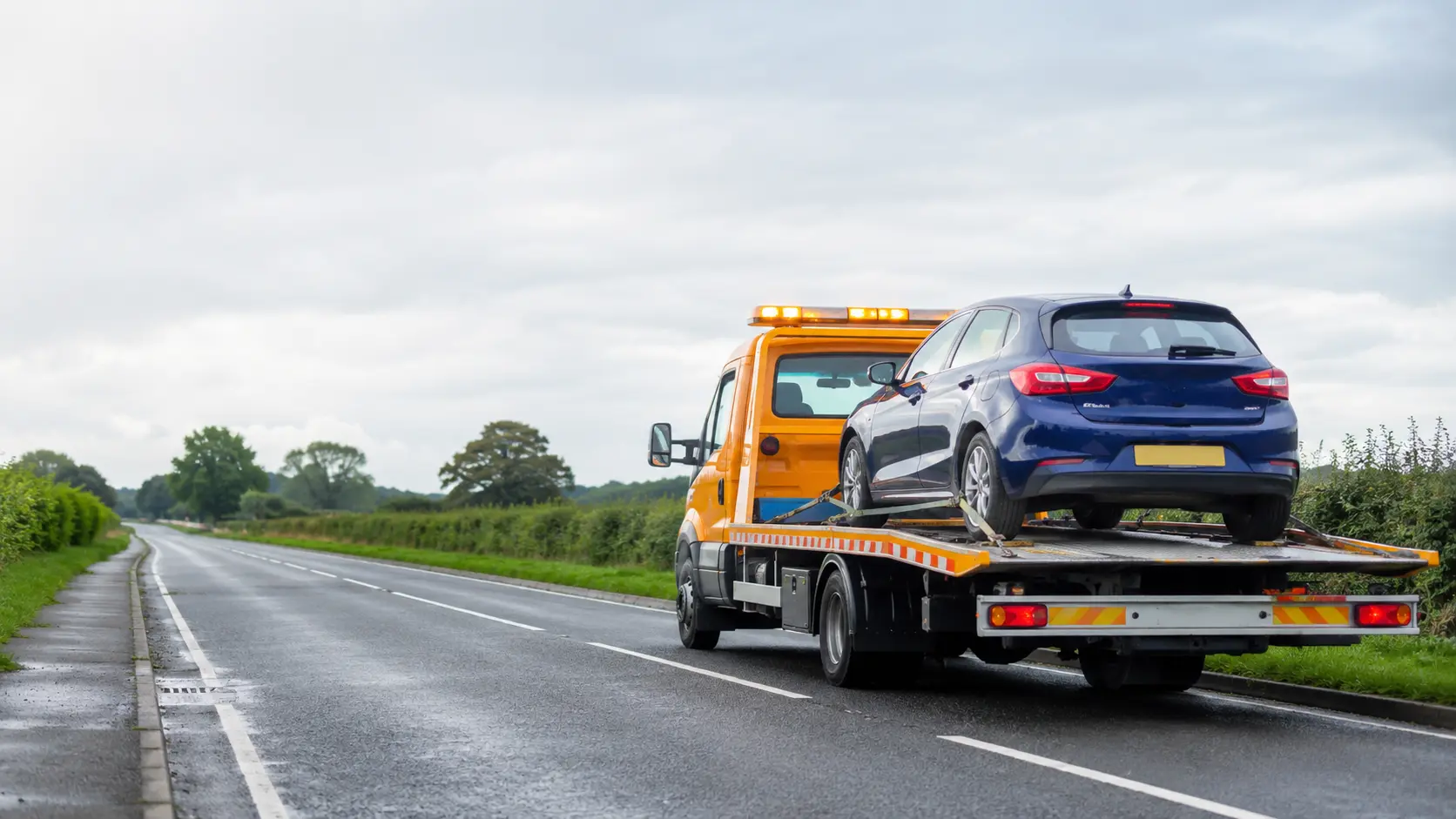
Motorcycle Recovery recovery support around Nottingham
Careful loading
Clear handover
DIRECT ANSWER

Request motorcycle recovery for a bike that has broken down, cannot be ridden safely or needs collection from a private address, workplace or workshop. Call Car Recoverys on +44 7429 293122 with the motorcycle model, its exact position and the intended receiving point. Describe whether both wheels turn, the steering can move, the keys are available and any damage or accessories affect handling. The team must confirm suitable equipment, access, availability and a quotation for the particular motorcycle before a booking is accepted.

Explore this page

Arrange recovery around the motorcycle's actual condition

Start with the reason riding is no longer an option

Explain whether the bike stopped during a journey, would not start after parking or developed a problem that made continuing inappropriate. Mention any fall or impact separately from a mechanical failure. A machine that stands upright and rolls normally presents a different collection problem from one with damage affecting a wheel or its steering. The operator needs that distinction before choosing how the job can be approached. You do not have to diagnose the fault. Give an accurate account of the condition and the position from which the bike must be collected.

Ask for the movement you need

State whether the destination is a motorcycle workshop, your home, a dealer or another agreed receiving site. If you are enquiring about roadside assistance rather than immediate transport, make that clear. Recovery does not automatically include a repair, replacement battery, tyre service or mechanical inspection. A straightforward booking establishes where the bike is, why it cannot be ridden, how it can be accessed and who will receive it. Those decisions should be confirmed together so neither the rider nor the operator assumes a different outcome from the one actually agreed.

Identify the bike beyond its registration

Give the model, version and configuration

Provide the registration, manufacturer and model, together with the approximate year or model variant where known. Explain whether the machine is a conventional motorcycle, a scooter, a trike or fitted with a sidecar. Do not assume equipment suitable for one configuration will accommodate another. The team needs to assess the specific job against the equipment actually available. If you have a specification from the owner or manufacturer, offer it when relevant. A registration record may help identification, but it should not be expected to describe every modification or accessory on the machine.

Disclose size and weight changes without guessing

Luggage systems, bodywork modifications and other additions may change the practical handling requirements. Tell the operator about substantial accessories or a load aboard the bike. If accurate dimensions or weight information is available, provide the source rather than an estimate presented as fact. Where those details are unknown, say so and ask what information is needed. The quotation should not rely on the assumption that every motorcycle can be moved by the same method or that a rider can help lift it. Suitability must be confirmed for the actual machine.

Explain whether each wheel can turn

Distinguish an engine fault from restricted wheel movement

A motorcycle can fail to start while its wheels remain free to move, or a separate mechanical problem can prevent a wheel turning. Tell dispatch what is known about the front and rear wheel separately. A tyre, brake, chain or impact-related issue may affect the description, but do not experiment with the bike to establish a diagnosis. If a qualified person has already examined it, pass on their observations accurately. A loading enquiry can remain open while missing information is clarified; it should not be settled on an unsupported assumption that the motorcycle rolls freely.

Report interference from bodywork or accessories

Mention a damaged mudguard, luggage part or other component that appears to contact a wheel. Do not pull, bend or remove it merely to make the collection look simpler. The operator must decide how the observed condition affects handling. Explain if the bike has already been moved since the failure and whether its condition changed during that movement. A photograph taken from a safe position may help communicate what you mean, but it should supplement a clear description. It cannot prove that hidden components are undamaged or that a particular loading method is suitable.

Make steering restrictions clear before attendance

Say whether the steering is locked or physically restricted

A steering lock engaged with an available key is different from a missing key or steering that will not move because of damage. Tell the team which situation applies. Do not describe the bike as simply “locked” if you know more: specify whether you mean its steering lock, an added security device or a mechanical obstruction. This information affects how the machine can be positioned for collection. The operator needs to assess access and handling together, especially where the bike cannot be aligned with an open route out of its parking space.

Avoid forcing a release to meet a collection window

Do not attempt to force the steering, bypass the ignition or break a lock because a transport appointment is approaching. Contact the operator and explain the unresolved condition. The job may need different preparation or may not be acceptable with the available equipment. A rider should not be expected to carry out an improvised mechanical intervention before recovery can be discussed. Keep the keys, any relevant instructions and the owner's contact available. If a locksmith or workshop needs to become involved, treat that as a separate arrangement rather than assuming it forms part of standard recovery.

Tell us about chains, disc locks and other security devices

Identify every device that could prevent movement

A motorcycle may have its steering lock released while still secured by a chain, disc lock or another device. Confirm which devices are present and whether the authorised key holder can remove them. Do not assume the driver will notice an overlooked lock before all handling decisions have been made. Explain if the bike is attached to a fixed anchor or another structure. The booking should account for authorised release as well as physical recovery. A missing lock key is a material fact for the enquiry, not a detail to leave until collection begins.

Resolve permission and key availability in advance

If someone else owns the motorcycle, identify who authorises its movement and who can provide the security keys. Ask the operator what evidence or confirmation is required for the specific circumstances. Do not send unnecessary identity documents to an unverified contact or ask the driver to settle an ownership dispute. The recovery team needs a clear, legitimate instruction and a workable access arrangement. Where release cannot be established, collection may have to remain unconfirmed. Arranging the owner and key holder before attendance avoids treating a security problem as though it were an ordinary loading task.

Describe a puncture without assuming a roadside tyre repair

Give the affected wheel and current position

Tell dispatch whether the front or rear tyre is affected and whether the bike is in a safe parking area, on a roadside stopping place or somewhere with restricted access. Mention any visible wheel damage from a safe position. The fact that the engine runs does not mean the bike can be ridden to a more convenient collection point. You can request recovery without making a tyre diagnosis. If you want to ask about tyre assistance, state that separately so the team can explain what can actually be assessed or arranged.

Confirm the receiving workshop's requirements

A tyre workshop or motorcycle dealer should know the model, which wheel is affected and whether the bike will arrive by recovery vehicle. Ask whether it can accept the machine and where unloading should take place. A tyre enquiry is not automatically a repair appointment or permission to leave the motorcycle outside. Confirm opening hours and the key handover. If the workshop cannot receive the bike immediately, discuss an agreed alternative destination with the operator. Do not assume that overnight storage or a later second movement is already included in the recovery quotation.

Book recovery after a chain or drive problem

Describe the loss of movement and any visible obstruction

Explain whether the engine continued running while drive was lost, whether the chain appears displaced, and whether anyone has identified interference with the rear wheel. These observations help the operator understand the collection requirement without turning a phone call into a mechanical diagnosis. Do not try to reproduce the failure or ride a short distance to prove the problem. If the motorcycle is already safely parked, leave it in its existing position while the recovery is assessed. A workshop can investigate the cause after delivery under a separate repair arrangement.

Do not assume a loose component can simply travel unsecured

If a component has detached and can be retrieved safely, tell the team what it is and where it will be handed over. Do not place sharp, oily or loose parts on the motorcycle without discussing the arrangement. The receiver may need those parts for diagnosis, but the transport operator must know what is accompanying the bike. If retrieving an item would expose you to traffic or another hazard, leave it and follow the appropriate emergency guidance. Collection planning should not depend on the rider taking risks to assemble a complete set of damaged components.

Arrange a non-starting motorcycle collection

Separate a starting symptom from a confirmed battery fault

Tell us whether the ignition display illuminates, whether the engine attempts to turn and whether the bike stopped during use or failed after being parked. A flat-battery suspicion should be described as a suspicion unless it has been established by a suitable professional. Mention any roadside attempt already made and the result. A recovery enquiry does not require you to keep repeating that attempt. If you want collection to a workshop, say so directly rather than booking one type of assistance while expecting another outcome.

Keep the key and immobiliser information available

Explain whether the normal key, fob or other authorised starting device is present. An immobiliser message or an unrecognised key can affect the handling description even when the engine fault remains uncertain. Do not ask the operator to bypass security as part of an ordinary collection. The team can assess whether suitable recovery is available and what access is needed. If an alarm has a known issue relevant to moving the motorcycle, disclose it so the operator is not surprised by a condition the keeper already knew about.

Request recovery after a fall or impact

Identify damage that affects loading rather than estimating repairs

Describe the bike's position and any visible damage to the wheels, steering, bodywork, stand or luggage. Explain whether it remains on its side or has already been raised by someone else. Do not attempt to lift an unstable motorcycle simply to satisfy a booking description. If people are injured, the scene remains dangerous or emergency assistance is needed, contact the emergency services first. Commercial collection can be discussed when the scene and access permit it. The quotation must take account of the actual damage and handling requirement, not only the distance to the garage.

Preserve a factual account for the relevant parties

Tell the operator if police, another recovery provider or a property manager is controlling access to the bike. Obtain any release instruction required before a later movement is arranged. If an insurer or repairer needs photographs or information, clarify its requirements without asking the transport driver to determine liability or repair cost. Recovery documentation concerns the movement undertaken. A collision assessment, damage estimate and insurance decision belong to the professionals or organisations responsible for those tasks. Keeping those roles distinct helps you book the right service without expecting transport to settle every issue arising from the incident.

Give a precise Nottingham collection location

Identify the bike's position rather than only your own

Provide the road or address and a pinned position for the motorcycle where useful. If you have walked to a nearby business or are waiting with someone elsewhere, explain that your phone's location is not the vehicle's location. A motorcycle can be parked in a small recess, behind a building or among several bikes that are not obvious from the main address. Describe a clear identifying reference and the access route. Do not stand in an exposed location to make yourself easier to spot. Establish a safe meeting arrangement with the operator.

Clarify the approach where the road has separate directions

On a divided road or at a site with several entrances, tell the team which side or entrance reaches the motorcycle. A business name can be useful as a reference while still directing a driver to the wrong approach. If an earlier operator or authority has moved the bike, update the location before the new collection is agreed. The original breakdown point may no longer be relevant. Give the current key holder's contact and distinguish the place where the motorcycle waits from the place where you intend to meet the recovery driver.

Prepare collection from a garage or narrow side passage

Explain the entire route from storage to open access

Tell the operator whether the motorcycle is inside a private garage, behind a gate or reached through a side passage. Describe steps, abrupt level changes or turns that you already know about. Do not assume that a narrow route is suitable because the motorcycle was originally pushed through it by its owner. Its current condition may be different, and the attending team needs to assess the handling requirement. Offer accurate dimensions where available, but make clear when a measurement is approximate. The access information should be part of the quotation discussion.

Keep other objects and people clear without moving the broken bike

Arrange for an authorised person to open the garage and control access. Discuss any obstacles that can be removed safely, such as another parked vehicle or stored items blocking the entrance. Do not dismantle a gate or move an unstable machine without an agreed professional plan. Children, pets and other people should not be expected to assist with handling. A clear site contact can explain the layout and respond to questions when the operator arrives. The collection should proceed from an assessed method rather than an assumption that the customer will provide extra lifting help.

Arrange workplace and communal-parking access

Obtain permission from the person controlling the site

A motorcycle parked at an office, university accommodation or another managed property may sit behind a barrier or within a controlled courtyard. Ask who can admit the recovery vehicle and whether a collection appointment is needed. Give the operator the actual access contact. A rider's parking permission does not necessarily explain how a transporter enters or where it may work. If a security team needs the vehicle registration or booking details in advance, coordinate that requirement. Do not send a truck to a gate that nobody on site has agreed to open.

Keep parking and recovery arrangements separate

If the bike must remain until collection, ask the site operator about permission and any relevant parking administration. Recovery does not automatically cancel a parking charge or extend a parking period. Retain any agreement you obtain and tell dispatch about genuine access deadlines. Where the site closes, find out whether the motorcycle becomes inaccessible or whether an authorised contact can still admit the operator. The recovery plan must fit those facts. A general address and an assurance that the bike is “outside work” do not establish a workable collection after everyone has left.

Explain touring luggage and detachable accessories

Identify items that affect the machine's profile

Panniers, top boxes, screens and other accessories can change the space needed around a motorcycle. Mention them when describing the vehicle, particularly if any are damaged or loosely attached. The operator must assess handling for the bike as presented rather than an assumed standard configuration. If you want luggage to travel separately, agree who will remove and receive it where safe. Do not infer that a recovery service includes packing or secure carriage of every personal item. State the requirement and obtain confirmation of the arrangement actually available.

Keep travel essentials with the person who needs them

Consider medication, identification, house keys, tickets and the items needed for onward travel. Retrieve them only when access is safe. A helmet or riding bag needed for another journey should not accidentally remain with the motorcycle after it leaves for a workshop. If belongings must stay aboard, disclose them and discuss any specific concern before handover. The motorcycle's destination may differ from yours, so a practical collection arrangement separates the machine, its accessories and the rider's immediate essentials without assuming they will all travel together.

Discuss rider and pillion travel separately

Confirm passenger capacity for the actual attendance

Tell the team whether a rider and pillion both need onward travel and explain any practical access requirement. Passenger accommodation must be confirmed for the vehicle and service that may attend. Do not assume two people can travel because the motorcycle normally carries two. If separate transport is needed, arrange it in coordination with the motorcycle handover. The recovery quotation should state what has been agreed rather than leaving the rider to discover on arrival that the available passenger arrangement differs from the plan made during the enquiry.

Nominate a contact if you must leave the site

If work, family circumstances or other commitments mean you cannot stay for collection, ask whether an authorised representative can meet the operator. Identify that person and explain their authority to hand over the bike and keys. Do not leave the motorcycle and assume a message about its location establishes unattended collection. The operator needs an accepted release arrangement and a reliable way to resolve questions. Keep the rider's onward journey separate from the recovery instruction so a change in personal travel does not silently alter where the motorcycle is going.

Select a motorcycle workshop that can receive the bike

Confirm the repairer's acceptance before naming it as destination

Ask the workshop whether it can receive your model in the condition described and whether it has space for an immobilised bike. Explain any steering or wheel restriction. Obtain the usable entrance, receiving hours and the contact who will take the keys. A workshop that answered a technical enquiry has not necessarily accepted a recovery delivery. If you already have a repair appointment, confirm how transport arrival fits that appointment. The operator should have one agreed receiving arrangement rather than being asked to choose a nearby motorcycle business after loading.

Pass the symptoms to the workshop without changing their meaning

Prepare a brief history of the fault, any earlier intervention and the reason the bike is not being ridden. Give the same factual description you used for recovery. Do not convert an uncertain symptom into a diagnosis between the collection call and the workshop handover. Retain any report from a person who actually examined the motorcycle. The transport operator can deliver the machine under the agreed conditions; the workshop decides how to inspect it, what repairs it recommends and when work can begin. Confirm those repair decisions directly with the workshop.

Arrange home delivery for a broken motorcycle

Choose a resting position that suits its limitations

Describe where the motorcycle would be left at home and whether it can remain there without blocking access or immediately needing to be moved. A steering restriction, damaged stand or wheel problem can make an otherwise convenient parking space unsuitable. Ask the operator to assess the proposed receiving arrangement before the movement is accepted. Do not assume the driver can place the bike inside any room, shed or passage named on arrival. The destination needs the same honest access description as the collection site.

Consider whether a later workshop movement will be needed

Home may be the most practical immediate destination, but think through what happens next. If you cannot repair or move the motorcycle there, a separate transport booking to a workshop may follow. Compare that complete sequence with direct delivery to a repairer that has already accepted the bike. Do not choose a workshop merely to avoid another journey if it cannot receive the motorcycle. The aim is an agreed destination that fits your circumstances and the vehicle's condition. Each movement should have its own confirmed scope rather than an assumed unlimited onward service.

Request collection of a scooter or a three-wheel machine

State the configuration explicitly

If the enquiry concerns a scooter, trike or sidecar outfit, identify it accurately before asking whether motorcycle recovery is suitable. Give the model and any reliable dimensions or weight information available. A category label does not establish compatibility with particular transport equipment. The operator needs to assess the machine and access together. Explain whether steering and all wheels move normally, whether keys are present and whether any added bodywork affects clearance. Acceptance should be based on those facts rather than a blanket assumption that every powered two- or three-wheel vehicle fits the same service.

Confirm the receiving site's ability to accommodate it

Tell the destination the exact configuration as well. A place expecting a conventional motorcycle may need different space for a sidecar or wider three-wheel machine. Confirm the gate, parking position and handover contact before collection. If the vehicle has a disability-related adaptation or equipment that needs special consideration, describe the practical requirement without providing unnecessary personal details. Ask what arrangement can be offered and obtain confirmation. The recovery enquiry should preserve accurate expectations at both ends, especially when the machine differs substantially from the common example suggested by the service name.

Plan recovery when the stand is damaged

Tell dispatch how the motorcycle is currently supported

Explain whether the motorcycle rests on an intact stand, another support, or is still on its side. Do not assume the operator knows that a stand was damaged in a fall simply because accident recovery was mentioned. Its present stability is relevant to collection and to the receiving position. Avoid improvising a support to make the bike appear ready for transport. Describe what is there and let the attending professional assess the handling. If another person raised or moved the machine, include that information without treating their intervention as proof of stability.

Discuss support at the destination before departure

A bike with a damaged stand may need a receiving arrangement that does not depend on ordinary parking. Tell the workshop or property contact about the limitation and ask whether it can accept the machine as it is. Do not assume recovery automatically includes supplying or leaving support equipment behind. Any additional requirement must be discussed and accepted. A destination that can receive a rolling motorcycle may still need notice of this particular condition. Resolving it before collection avoids completing the journey only to discover that nobody has planned how the motorcycle can safely remain there.

Understand the scope of a motorcycle recovery quotation

Include the handling requirement as well as the route

Provide the collection position, destination, model, present condition and any access restriction. Tell the operator if the bike cannot roll, steer or remain supported normally. Those details can materially change the job even over a short distance. Ask which elements the quotation covers and what information is still needed to confirm it. A running motorcycle on an open forecourt is not the same booking as a damaged bike in a narrow passage. Compare quotations against the same factual description rather than treating the postcode-to-postcode distance as the entire service.

Agree how additional work would be discussed

Ask what happens if the scene or vehicle differs from the supplied description, or if the destination changes. Clarify how any revised scope and price would be approved. Do not assume waiting, storage, a second delivery or another specialist service is included without agreement. Equally, do not assume every change attracts an extra charge; ask for the terms that apply to your booking. Keep the quotation and confirmed instructions together so you can refer to the same arrangement if an issue arises during collection or delivery.

Arrange a booking for someone else's motorcycle

Identify the owner and the authorised decision maker

You may be arranging help for a relative, employee, customer or friend. Explain that relationship and establish who can approve the motorcycle's movement and choose the destination. Provide the person who holds the keys and any site release instruction. Do not describe approval as complete while the owner is still deciding what should happen. The operator needs a clear instruction from the appropriate party, particularly where the rider, payer and registered keeper are different people. Ask what confirmation the provider requires for the actual circumstances.

Keep one contact responsible for changes

Several well-intentioned people can unintentionally create conflicting instructions. Nominate the person who may approve a new destination, additional work or a changed collection arrangement. Give the operator that person's reliable contact details with permission. Someone who can meet the truck may still lack authority to change the booking. Make those limits clear before attendance. This allows the rider to obtain help without the motorcycle being redirected according to whichever family member or colleague happened to send the most recent message.

Coordinate with an existing assistance or insurance provider

Check who is already arranging the movement

If a membership provider, insurer or dealer has an open assistance request, contact it before instructing a second recovery operator. Ask whether a vehicle has been assigned and how changes or cancellation must be handled. The provider's terms govern its own service; a different recovery company cannot cancel that arrangement for you. Decide which instruction remains active and communicate the outcome. This is particularly important when a rider has made several urgent calls and more than one person believes they are responsible for collecting the same motorcycle.

Do not assume third-party payment is approved

Ask the relevant organisation whether it will authorise the transport you are considering and what documentation it requires. A policy or membership number does not by itself confirm reimbursement for an independently booked movement. If you proceed privately, understand the payment responsibility and retain accurate records. The recovery operator can document the service it supplies, while the insurer or assistance provider determines its own entitlement decisions. Keep those roles separate so the rider does not accept a booking on the mistaken assumption that another organisation has already agreed to pay.

Prepare useful photographs without delaying safety

Photograph only from a position that is already safe

When a picture would help explain access or visible damage, ask what view the operator needs and obtain it only if the circumstances permit. Do not walk into traffic, stand downhill from an unstable bike or disturb damaged parts to improve a photograph. If a useful image cannot be obtained safely, explain that limitation. A precise verbal account remains valuable. Recovery planning should not turn a rider into a roadside inspector or require someone to return to a dangerous position merely to complete an enquiry.

Label what the image does and does not establish

Tell the team whether a photograph is current or comes from an earlier sale listing. Identify the issue you want it to show: the passage width, a damaged wheel, the stand or the bike's position. A general side view cannot establish internal mechanical condition, and a previous photograph may no longer represent fitted accessories. Keep irrelevant faces, documents and account information out of the frame where practical. The purpose is to communicate a specific collection constraint more clearly, not to create an appearance of certainty about facts the image cannot verify.

Manage a recovery during a longer motorcycle trip

Decide where the motorcycle and rider need to finish

If you are away from home, consider whether the bike should go to an accepting local workshop, an agreed address nearby or a more distant destination that the operator can quote for. The rider's immediate accommodation and travel may require a separate arrangement. Do not assume that recovery to the nearest convenient point resolves the whole journey. Equally, do not commit to a long-distance delivery before checking whether the proposed receiver can accept the machine. Explain the intended outcome so the quotation can be assessed against a realistic route and handover.

Account for luggage and travel commitments

Tell the team about luggage and any essential item that must remain with the rider. If you have a train, accommodation or other booking, describe it as a constraint when asking about timing rather than a promise the operator has made. Recovery availability still depends on the actual job. Nominate a key holder or receiver if your own onward travel means you cannot attend. Keep the arrangement simple enough that a change to the rider's journey does not silently change the motorcycle's destination or leave nobody authorised to complete the handover.

Prepare for an evening or out-of-hours collection

Check that both locations remain accessible

A motorcycle may be available for pickup while the preferred workshop is closed. Ask the workshop whether an after-hours delivery is accepted and what entrance and key arrangements apply. A visible yard or doorway is not permission to leave a bike there. If no suitable receiving arrangement exists, discuss another destination before recovery is confirmed. Ask about the quote and available timing for the actual movement. Contact availability should not be interpreted as a guarantee that every specialist handling requirement can be accommodated at any hour.

Keep identification and communication straightforward

Describe the bike, its current position and the person who will meet the operator. Where lighting is poor, do not stand in an exposed position to attract attention or move the motorcycle into the road to make it visible. Use the agreed contact route to coordinate a safe meeting point. If your phone may become unavailable, provide an alternative contact with permission. The recovery instruction should remain clear even when the rider is tired, the site is quiet or the receiving business is operating with limited access.

Know what to expect during collection

Allow the operator to assess the machine and access

The attending professional needs to inspect the actual position before deciding how to proceed. Photographs and telephone descriptions guide preparation but do not replace that assessment. Point out known restrictions, damage, locks and accessories. Do not assume that the operator will use a particular restraint or attachment method based on another bike you have seen recovered. Model-specific construction and the present condition matter. The rider should follow the operator's site instructions and should not improvise assistance or positioning in order to speed up a process that needs controlled handling.

Reconfirm the destination and accompanying items

Before the motorcycle leaves, check the intended receiver and address, the key arrangement and any agreed luggage or loose parts. Make sure the operator has the current contact for delivery. If the workshop has changed its entrance or receiving hours, resolve that before departure. The booking should contain one final movement instruction. A conversation about an alternative garage should not be mistaken for an authorised destination change. Keeping the handover factual reduces uncertainty for the rider, transporter and person waiting to receive the bike.

Complete the delivery and next repair step

Make the receiving contact available

The person receiving the motorcycle should know its movement limitations and where it is expected to be placed. They should have access to the agreed unloading area and be able to accept the keys. If the bike needs an unusual resting arrangement, confirm that it is ready before arrival. Do not assume the driver can resolve a locked gate or create storage without an instruction. Report changes through the booking channel so the operator can assess the implications before reaching a destination that no longer matches the agreement.

Keep recovery completion separate from a repair decision

Retain the movement details and any agreed handover confirmation. Give the workshop the symptom history and relevant earlier reports, then discuss diagnosis, repair authorisation and timescale directly with it. Delivery does not automatically approve work or guarantee that a particular fault will be found. If a question concerns the transport service, contact the recovery provider with the booking reference and factual details. If it concerns the motorcycle's mechanical condition, ask the repairer responsible for assessment. Knowing which service has been completed makes the next decision clearer.

Identify an electric motorcycle explicitly

Keep the powertrain description accurate

For an electric motorcycle, give the exact model and describe the known power condition rather than assuming the absence of engine noise indicates the fault. Mention any warning, impact or charging-related access issue already known to you. Ask whether suitable collection can be assessed for that machine. Do not remove covers, disconnect high-voltage equipment or attempt a roadside repair to prepare it for transport. The operator needs relevant manufacturer information and an appropriate handling plan; the customer needs a confirmed receiving arrangement that accepts the actual condition.

Request a motorcycle-specific recovery quote

Prepare the facts that change this job

Have the make and model, current position, wheel and steering condition, key availability and destination ready. Add information about a fall, damaged stand, security devices, luggage or restricted access where relevant. Unknown details can be identified during the enquiry; they should not be guessed to secure an appointment. Tell the team who can release and receive the bike and whether the rider needs separate travel arrangements. A motorcycle-specific description allows the operator to assess the real movement instead of treating it as an unspecified small vehicle collection.

Obtain a direct acceptance of the arrangement

Call +44 7429 293122 to discuss motorcycle recovery in Nottingham. Use WhatsApp for supporting location details or photographs when safe, but obtain a direct response confirming whether the job can be accepted. Check the quoted scope, attendance arrangement, destination and payment responsibility. Retain the update contact and communicate material changes promptly. A completed enquiry should leave you knowing what has been agreed for this motorcycle, which details remain conditional and who to contact if the collection or receiving circumstances change before attendance.

Questions drivers ask

Answers about motorcycle recovery in Nottingham

Do I need to know the motorcycle's exact fault before asking for recovery?

No. Describe the observed problem and the present handling condition: whether the wheels turn, steering moves, keys are available and the bike is upright or damaged. Distinguish your own suspicion from a diagnosis somebody has actually made. The recovery enquiry concerns moving the motorcycle. A receiving workshop can investigate the underlying mechanical cause under a separate arrangement.

What if a disc lock is still fitted and I cannot find its key?

Disclose the device and missing key before collection is accepted. Explain who owns the motorcycle and who can authorise its movement. Do not assume standard recovery includes cutting a lock or bypassing security. Ask what information and separate arrangements may be needed. The operator must assess authorised access and physical handling rather than discover the unresolved lock during loading.

Can a bike with a damaged side stand be recovered?

Describe how it is currently supported and whether it has other damage, then ask whether a suitable recovery can be offered. The destination also needs to accept the support limitation. Do not assume the driver will supply equipment to leave behind. Avoid improvising a stand arrangement merely to make the motorcycle appear ready for a collection appointment.

Should I remove panniers before the recovery vehicle arrives?

Tell the operator what is fitted and ask whether removal is useful or required for the proposed arrangement. Only handle luggage when the location and bike stability make it safe. Agree which items will travel with the motorcycle and which should remain with you. Do not assume an accessories or personal-belongings service is included without discussing it.

Can my pillion and I both travel with the recovery operator?

Passenger accommodation must be confirmed for the actual attendance. Give the number of people and any practical access needs while enquiring. A motorcycle's two seats do not establish capacity in a recovery vehicle. If separate onward transport is needed, coordinate it with the bike's release and key handover rather than relying on an arrangement that has not been accepted.

What should I report if the chain has come off?

Explain the observed position of the chain and whether it appears to interfere with the rear wheel, without attempting a risky inspection. Mention any other damage or restriction you already know about. Do not try to ride the bike to demonstrate the problem. The operator needs to assess its handling condition; a workshop can determine the cause later.

Can you collect a motorcycle from inside a private garage?

Describe the garage entrance and the route to an accessible working area, including any narrow passage, steps, slope or locked gate. Confirm who can provide access and the keys. The operator must assess whether suitable collection is possible. Do not assume the bike can be moved by the same method its owner used when it was running normally.

Is tyre repair included when I book motorcycle recovery?

Do not assume tyre work forms part of a recovery booking. Explain whether you want to enquire about assistance or arrange transport to a workshop. Give the affected wheel, model and current location. Confirm the actual service being offered, and obtain the workshop's agreement before choosing it as the receiving destination for a bike that cannot be ridden.

What if the motorcycle's steering will not straighten?

Tell dispatch whether this is caused by an engaged lock, a missing key, damage or an unknown restriction. Do not force the steering to meet a collection time. Its position and the surrounding access affect handling. Ask whether suitable recovery can be arranged from the actual location, and keep any relevant manufacturer's or technician's instructions available for assessment.

Can I arrange collection for a rider who has already gone home?

Yes, you can enquire, but identify who authorises the movement and who will hand over the motorcycle and keys. An agreed representative may be needed. A location message alone does not establish permission for unattended collection. Confirm the release contact, destination and person able to approve changes before treating the recovery arrangement as accepted.

Is a scooter automatically covered by the same recovery method?

No handling method should be assumed from the broad service category. Supply the scooter's exact model, condition and access details so suitability can be assessed. Tell the operator about keys, steering restrictions, wheel movement and fitted luggage. Ask for confirmation that the available equipment and service can accommodate that specific machine before accepting a quotation.

Can you assess transport for a sidecar or trike?

Provide the exact configuration and any reliable dimensions or weight information, then ask whether a suitable movement can be offered. Explain access at both ends and any handling restriction. A three-wheel machine or sidecar outfit must not be described as an ordinary two-wheel bike. Acceptance depends on the actual vehicle and available equipment, not the category name alone.

Do I have to use the nearest motorcycle workshop?

You can request a quote to a receiving point of your choice, subject to the operator accepting the route and practical arrangements. Confirm that the workshop can receive your model in its current condition and obtain its access instructions. A convenient address is not enough if the business has no space or has not agreed to accept the motorcycle.

What if my motorcycle is still on its side after an incident?

Report its actual position and any immediate hazard; contact emergency services first where needed. Do not lift an unstable or damaged motorcycle just to prepare it for recovery. The operator needs to assess the condition and access before accepting or proceeding with the job. Tell the team if another organisation controls the scene or must authorise release.

Can an insurer approve payment after I arrange recovery privately?

Ask the insurer about its requirements rather than assuming retrospective approval will be given. Obtain any authorisation it requires where circumstances allow and understand your payment responsibility if you proceed privately. Keep accurate quotation and invoice records. The recovery provider supplies transport; the insurer determines entitlement under its own agreement and does not become liable merely because a policy number exists.

What photographs are useful for a motorcycle recovery enquiry?

Safe, current images can clarify the bike's position, visible damage, fitted accessories or restricted access. Ask which view would help and explain when the photograph was taken. Do not approach traffic or disturb an unstable motorcycle to obtain one. A picture supports the enquiry but cannot verify hidden damage, exact weight or every aspect of the loading environment.

Can I send the motorcycle home and travel somewhere else myself?

Discuss the home receiving arrangement and your separate travel plan before booking. Identify who can accept the bike, open any gate and take the keys. Tell the operator if you will not be present at collection or delivery. The motorcycle and rider can have different destinations only through an accepted arrangement, not an assumption that unattended handover is included.

Does a successful loading confirm my motorcycle is undamaged?

No. Loading and transport do not constitute a full mechanical or damage inspection. Keep any actual inspection report separate and arrange the assessment you need with a suitable professional. The recovery operator can explain the service undertaken and any agreed handover record. The motorcycle's repair condition and future suitability for riding require their own appropriate assessment.

How do I compare motorcycle recovery prices fairly?

Give each provider the same model, route, access conditions and handling limitations, including locks or damage. Ask what the quoted amount includes and how changes would be approved. Compare the defined service rather than mileage alone. A freely rolling bike in an open car park is not the same collection as a damaged machine in a confined passage.

What confirms that my motorcycle recovery is actually booked?

Obtain direct acceptance of the specific motorcycle, collection arrangement, destination and quoted scope, with payment responsibility and an attendance estimate or window clarified. Save the update contact. Sending a photograph or requesting a price is still an enquiry until the operator confirms the job can be undertaken. Communicate material changes to the bike or access before attendance.

Give dispatch the useful details

Need motorcycle recovery now?

Call with the road, vehicle and access details you have. We will help you work through the safest next step.

Open direct contact
Call now WhatsApp